Career path · 5 min read
How to become a motorcycle technician
Last updated November 28, 2026
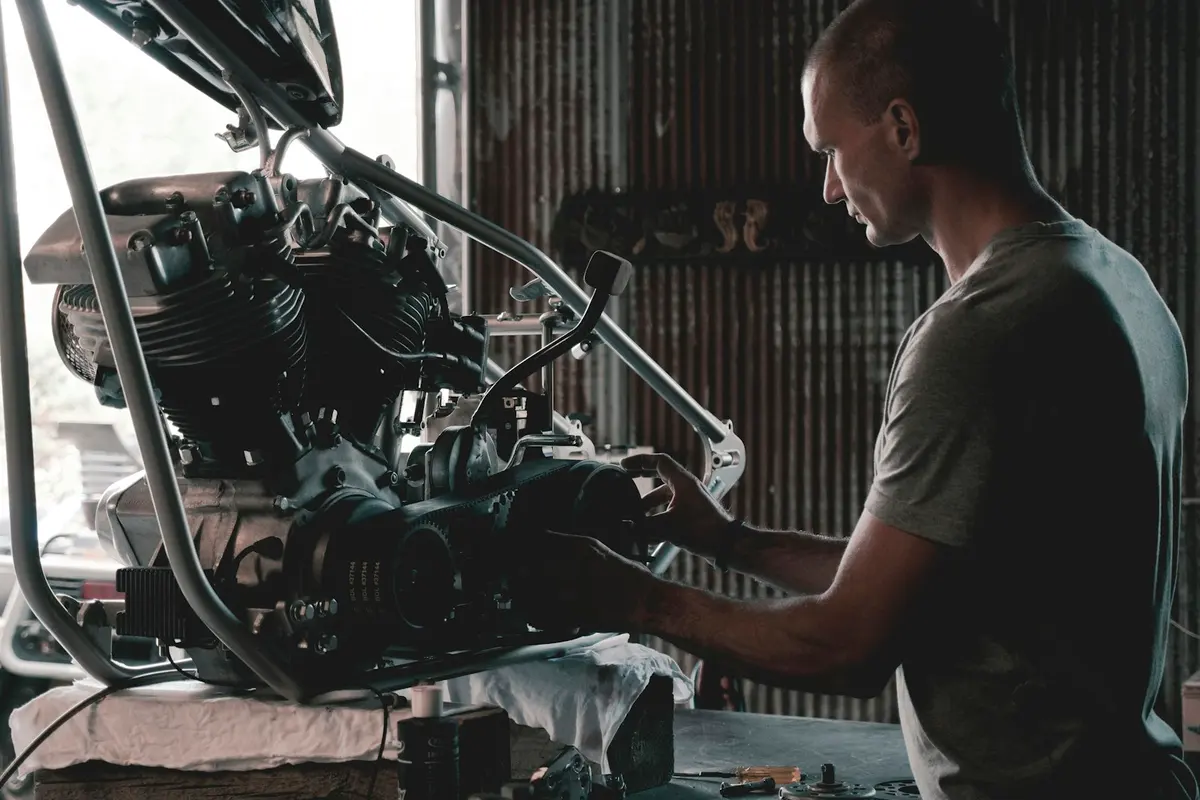
The short answerMost people become motorcycle technicians in one of two ways: they finish a motorcycle or powersports technician program at a technical school, or they start at a dealership as a lot porter, setup tech or apprentice and learn on the job. Either way, you keep growing through manufacturer training, build your own hand tool kit over time, and work up from basic service to diagnostics.
What does a motorcycle technician do?
A motorcycle technician (or powersports tech) keeps machines running: street bikes, dirt bikes, ATVs, side-by-sides, and at many dealers, watercraft and snowmobiles too. The work runs from simple to seriously technical.
- Service: oil changes, tires, chains and sprockets, brakes, valve adjustments and scheduled maintenance.
- Setup and predelivery: uncrating new units, assembling them and checking everything before a customer rides away.
- Diagnostics: tracking down electrical faults, fuel injection problems and warning lights, often with the manufacturer's software.
- Repairs and warranty work: engine, transmission, suspension and electrical jobs, documented the way the manufacturer requires.
- Accessory installs: exhausts, lighting, luggage, winches, plows and more.
Most techs work at dealerships or independent shops, usually paid hourly or on flat rate. If flat rate is new to you, read what a flat-rate technician really earns before your first interview.
Path 1: Technical school
Many techs start with a motorcycle or powersports technician program at a technical school or community college. The U.S. Bureau of Labor Statistics notes that motorcycle mechanics typically complete a postsecondary program in motorcycle repair, and that employers tend to prefer these graduates because they usually need less on-the-job training.
School can make sense if you:
- Want a structured start, with theory, shop time and electrical basics covered in order.
- Have little hands-on experience and want something on paper that shows employers you're serious.
- Want exposure to several brands and types of machines before you pick a direction.
Programs differ a lot in length, cost and what they include, so compare a few. Ask how much time is spent in the shop versus the classroom, which brands' training is built in, and where recent graduates work now.
Path 2: Learning on the job
The other classic route starts in the dealership itself. Plenty of techs began as a lot porter, a setup tech or a shop helper: washing bikes, moving units, assembling new machines and helping the techs. Show up, learn fast and ask questions, and a good service manager will start handing you real work.
This route can suit you if you:
- Already wrench on your own bikes and learn best by doing.
- Want to earn a paycheck from day one instead of paying tuition first.
- Have a dealer nearby willing to train someone with the right attitude.
Be honest with the manager that you want to become a tech. Ask whether they offer an apprenticeship, pair new people with a senior tech, or pay for training. Some people combine both paths: they work at a dealer while taking classes.
Manufacturer training and certifications
Once you're in a shop, the learning keeps going. Brands run their own technician training, online and in person, on their models, systems and diagnostic tools. According to the Bureau of Labor Statistics, employers often send mechanics to courses run by manufacturers or dealers, and those courses are often required before a tech can do warranty and manufacturer-specific work.
Training levels and names differ by brand, so ask any dealer you talk to which brands they carry and how they handle training. Certifications aren't always required to get hired, but they show what you can do and can open the door to higher-value work.
One more practical point: the BLS also notes motorcycle mechanics usually need a driver's license with a motorcycle endorsement, since you'll be test riding customers' bikes. If you don't have yours yet, put it on the list.
Building your tool kit
In most shops the dealer provides the big, expensive equipment (lifts, diagnostic tools, tire machines), while techs bring their own hand tools. The BLS describes the same split. Your kit grows over your whole career, so you don't need everything on day one.
- Start with the basics: quality metric sockets and wrenches, screwdrivers, pliers, hex and Torx bits, a torque wrench and a decent multimeter.
- Buy for the work you actually do. Let real jobs tell you what's missing instead of buying a giant set up front.
- Be careful with tool truck credit. Weekly payments add up fast. Know the total cost before you sign.
- Ask about help. Some employers and schools offer tool allowances or student discounts. It never hurts to ask.
What your first tech job looks like
Expect to start with the simpler work: setups, predelivery inspections, tires, oil services and basic maintenance. That's normal, and it's where you build speed and the shop's trust. As you prove yourself, you'll get more diagnostic and repair work.
Spring and summer are the busy season in most regions, so many shops hire ahead of it. Winter can be slower, which is a good time to finish training modules.
How to stand out when you apply
- Show your hands-on experience. Your own bikes, race support, friends' machines and small engine work all count. Photos of projects help.
- List training and licenses, including your motorcycle endorsement and any manufacturer modules you've finished.
- Be clean and careful. Service managers care about techs who treat customers' machines with respect and keep a tidy bay.
- Ask good questions about training, how work is dispatched and how pay works. It shows you're thinking long term.
- Follow up. A short, polite message a few days after applying keeps you on the manager's radar.
Find technician jobs on Alluride
Ready to start? Browse mechanic and technician jobs, or see everything in mechanics and technicians, including entry-level and setup roles. Many listings show pay, so you can compare offers near you.